When life gives you lemons, make lemonade.
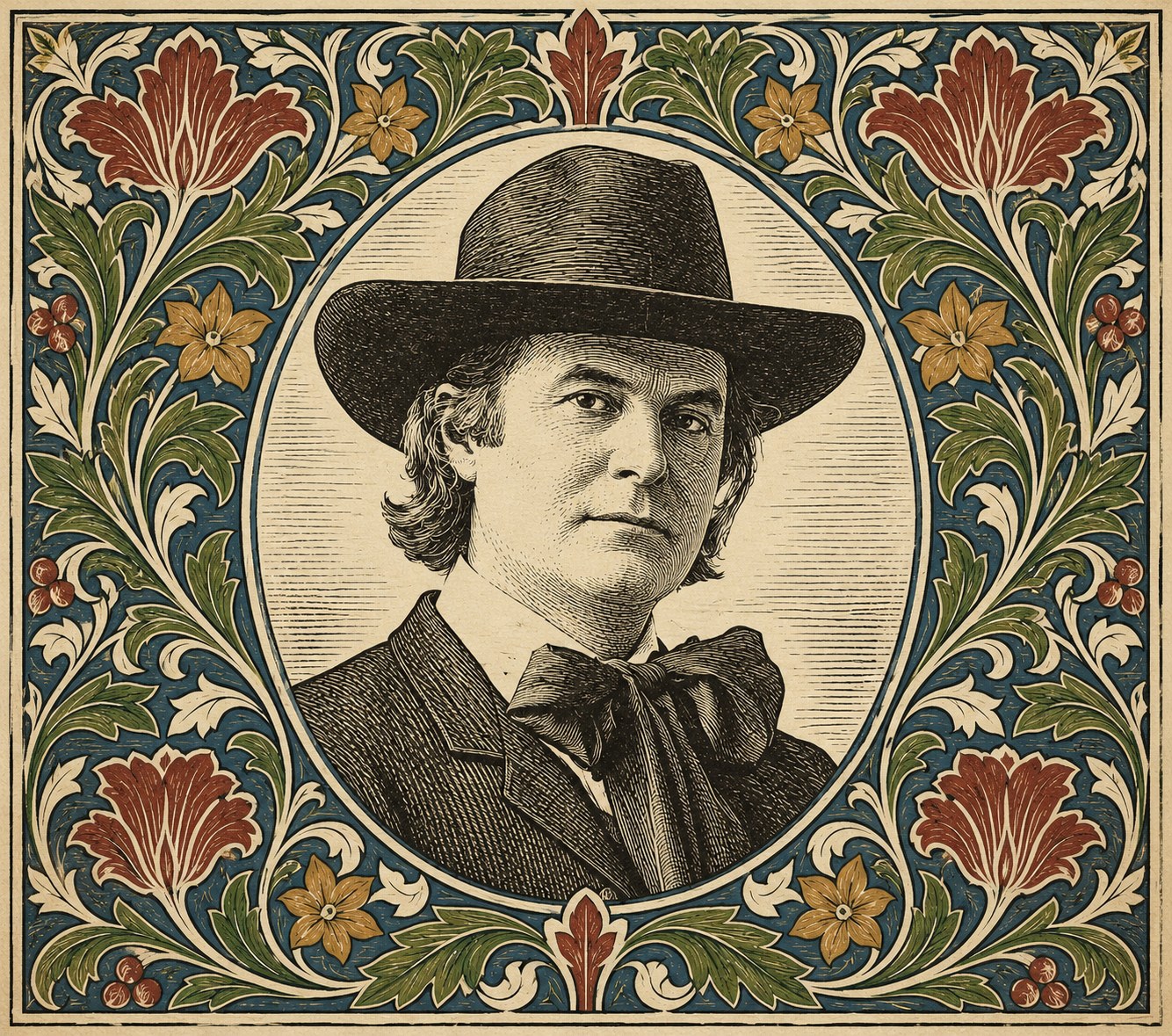
Paraphrase
Not in these words. The idea is in Elbert Hubbard, Selected Writings of Elbert Hubbard, vol. V (East Aurora: The Roycrofters; New York: Wm. H. Wise & Co., 1922), obituary of Marshall P. Wilder, p. 237.
Checked against Elbert Hubbard, Selected Writings of Elbert Hubbard, vol. V (East Aurora: The Roycrofters; New York: Wm. H. Wise & Co., 1922), obituary of Marshall P. Wilder, p. 237, in the text of a page scan, not the image.
- The real passage
- “Marshall P. Wilder”, obituary of the entertainer, in Selected Writings of Elbert Hubbard, vol. V (East Aurora: The Roycrofters / Wm. H. Wise, 1922), p. 237; first printed in The Fra, February 1915
- Source
- Elbert Hubbard, Selected Writings of Elbert Hubbard, vol. V (East Aurora: The Roycrofters; New York: Wm. H. Wise & Co., 1922), obituary of Marshall P. Wilder, p. 237
- Checked
- In the text of a page scan, not the image
Researched by AI. Entry updated 6 November 2026. Editorial review: pending. How we check
About this quote
How the shared form came about
The popular imperative form is later. Wikipedia reports an earlier Hubbard use, in the Literary Digest of 23 January 1909 (p. 128, “Topics in Brief”): “A genius is a man who takes the lemons that Fate hands him and starts a lemonade-stand with them.” That page was not seen here. The 1915 obituary is the one wording checked in a text. The popular imperative form is a later rewording of Hubbard’s image, which is why this entry is a paraphrase: the proverb’s words are not in his text.
In context
Hubbard wrote an obituary of the entertainer Marshall P. Wilder (died 10 January 1915), a small man with a hunched back who made a living as a monologist and storyteller, and had visited the Roycrofters. He calls Wilder a walking refutation of “a sound mind in a sound body”: a sound mind in an unsound body, who cashed in on his disabilities. The lemonade line is the figure for that.
What it says
A person dealt a misfortune can turn it into the start of something useful, as Wilder turned his body into a career. The popular proverb says it as an instruction.
Often misread
The modern proverb is often credited to Dale Carnegie, who used it in 1948 in How to Stop Worrying and Start Living and credited it to Julius Rosenwald. Hubbard’s lines are earlier by decades, and he did not give an instruction: he described a man.
Also shared as
- A misquotationA genius is a man who takes the lemons that Fate hands him and starts a lemonade stand with them. A different sentence by Hubbard (genius/lemons), not a condensation of the 1915 line: the Literary Digest of 23 January 1909 according to Wikipedia; also Reader’s Digest, October 1927, according to Wikiquote. Neither seen at its source. Where it was seen
- A misquotationIf you have a lemon, make a lemonade. The proverb’s later form, not a condensation of Hubbard’s: Dale Carnegie’s 1948 wording in How to Stop Worrying and Start Living, credited by him to Julius Rosenwald, according to Wikipedia (not seen at its source). Where it was seen
Topics
Related quotes
- A failure is a man who has blundered, but is not able to cash in the experience.
- The greater the difficulty, the more glory in surmounting it. Skillful pilots gain their reputation from storms and tempests. (misattributed) Epicurus
- Dig within. Within is the wellspring of good; and it will ever bubble up, if you will ever dig. (paraphrase) Marcus Aurelius
- the time is always ripe to do right. Martin Luther King Jr.
- Positive anything is better than negative nothing.
Sources
- en.wikipedia.org/wiki/When_life_gives_you_lemons,_make_lemonade
- en.wikiquote.org/wiki/Elbert_Hubbard (Selected Writings, 1922, p. 237)
Cite it
“When life gives you lemons, make lemonade.” Attributed to Elbert Hubbard. Not in these words. The idea is in Elbert Hubbard, Selected Writings of Elbert Hubbard, vol. V (East Aurora: The Roycrofters; New York: Wm. H. Wise & Co., 1922), obituary of Marshall P. Wilder, p. 237. Quotogeny, https://quotogeny.com/q/he-picked-up-the-lemons-that-fate-had-sent-him/ (checked 6 November 2026).
Have a different wording, or a source we missed? Check it or submit it.
Do you hold the rights to anything on this page? Tell us.
Checked by people
People who checked this entry against its source, under their own names. Their checks do not change the verdict: an editor reviews every entry.
Comments