But we call joy that state of being which needs nothing to feel happy.
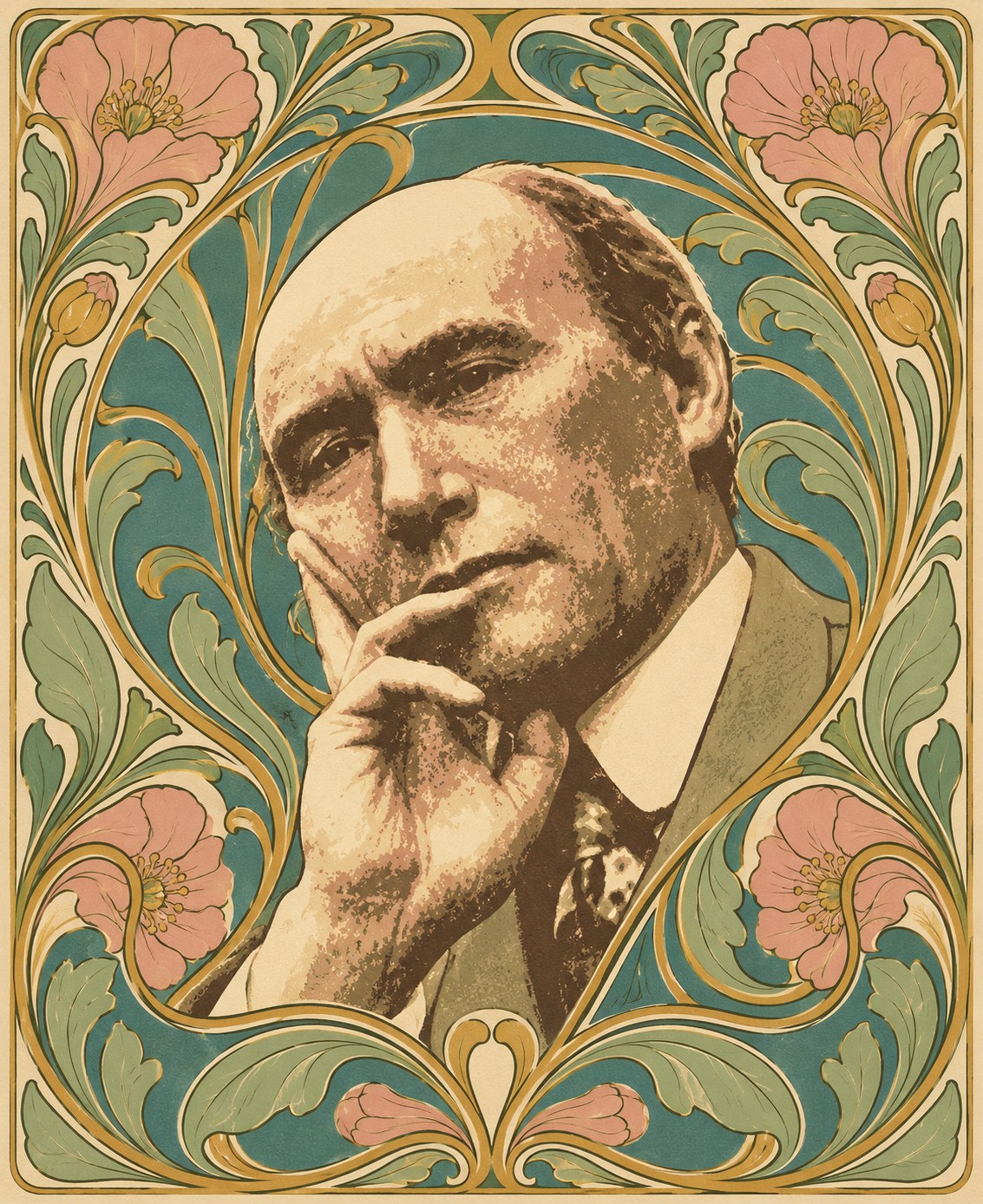
Genuine
Yes. In André Gide, Un esprit non prévenu (Paris: Éditions Kra, 1929), section I, p. 46, section I, final two paragraphs of section I, beginning « On appelle “bonheur” » and « Mais on appelle joie ».
Checked against André Gide, Un esprit non prévenu (Paris: Éditions Kra, 1929), section I, p. 46, section I, final two paragraphs of section I, beginning « On appelle “bonheur” » and « Mais on appelle joie », in a full-text transcription.
- Where
- Un esprit non prévenu (Paris: Éditions Kra, 1929), I, p. 46, final two paragraphs of section I, beginning « On appelle “bonheur” » and « Mais on appelle joie »
- Translation
- Our own, not yet reviewed (no public-domain translation in our sources)
- Source
- André Gide, Un esprit non prévenu (Paris: Éditions Kra, 1929), section I, p. 46, section I, final two paragraphs of section I, beginning « On appelle “bonheur” » and « Mais on appelle joie »
- Checked
- In a full-text transcription
Researched by AI. Entry updated 23 November 2026. Editorial review: pending. How we check
About this quote
The scene
At the end of section I, Gide places two short definitions together. He calls happiness a conjunction of circumstances that permits joy, then contrasts it with joy as a state of being that requires nothing further. The distinction is expressed in his own essayistic voice, without a fictional interlocutor.
What it means
He distinguishes happiness supported by favorable circumstances from joy experienced without needing those circumstances.
Often misread
The two definitions belong together. Quoting only the second can conceal the contrast Gide is deliberately making between the French words bonheur and joie; it is not evidence that material hardship never matters.
Topics
Related quotes
- Not till we are lost, in other words not till we have lost the world, do we begin to find ourselves, and realize where we are and the infinite extent of our relations. Henry David Thoreau
- This is the true joy in life, the being used for a purpose recognized by yourself as a mighty one. George Bernard Shaw
- Though we travel the world over to find the beautiful, we must carry it with us, or we find it not. Ralph Waldo Emerson
- Loss is nothing else than change. Marcus Aurelius
- Art is not a thing; it is a way. Elbert Hubbard
Sources
Cite it
André Gide, André Gide, Un esprit non prévenu (Paris: Éditions Kra, 1929), section I, p. 46, section I, final two paragraphs of section I, beginning « On appelle “bonheur” » and « Mais on appelle joie ». Checked at Quotogeny, https://quotogeny.com/q/joy-needs-nothing-to-feel-happy/ (23 November 2026).
Have a different wording, or a source we missed? Check it or submit it.
Do you hold the rights to anything on this page? Tell us.
Checked by people
People who checked this entry against its source, under their own names. Their checks do not change the verdict: an editor reviews every entry.
Comments