All art is quite useless.
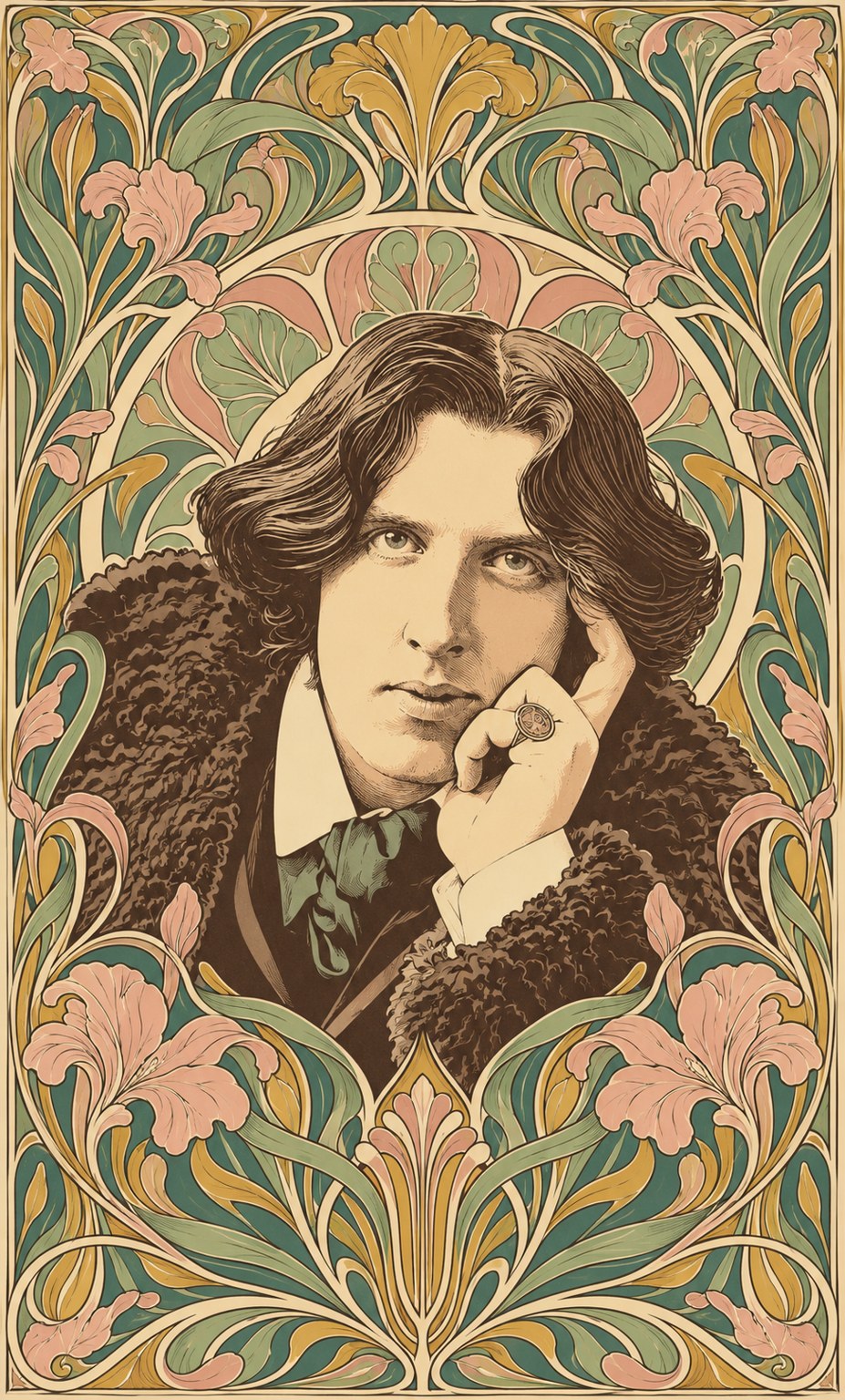
Genuine
Yes. In The Picture of Dorian Gray (1891), The Preface.
Found word for word by program in the full text.
- Work
- The Picture of Dorian Gray, 1891
- Where
- The Preface
- Found at
- Paragraph 11 of the text
Researched by AI; checked by program against the full text on 31 October 2026. Editorial review: pending. How we check
On the page
The nineteenth century dislike of realism is the rage of Caliban seeing his own face in a glass.
[…] All art is at once surface and symbol. Those who go beneath the surface do so at their peril. Those who read the symbol do so at their peril. It is the spectator, and not life, that art really mirrors. Diversity of opinion about a work of art shows that the work is new, complex, and vital. When critics disagree, the artist is in accord with himself. We can forgive a man for making a useful thing as long as he does not admire it. The only excuse for making a useless thing is that one admires it intensely.
All art is quite useless.
The scene
The last lines of the preface Wilde wrote for the book edition of The Picture of Dorian Gray. First printed in the Fortnightly Review in March 1891, it is a string of aphorisms in his own name, answering the critics who had called the magazine version of 1890 immoral: ‘There is no such thing as a moral or an immoral book. Books are well written, or badly written.’ The preface claims art for beauty alone, free of ethics and use, and ends on this sentence, standing as a paragraph by itself.
What it means
Art serves no practical or moral purpose, and that is its point: a useless thing can only be justified by being loved for itself. It is the creed of art for art’s sake.
Often misread
Quoted as a sneer at art, or as an artist’s confession that his work is worthless. It is a defence: Wilde is refusing to let art be judged by its usefulness or its morals, and the preceding sentence says the useless thing is the one we admire intensely.
Before and after
Topics
Related quotes
- Life imitates art far more than art imitates life.
- The only way to get rid of a temptation is to yield to it.
- A writer owes nothing except to his writing. Charles Bukowski
- There is no such thing as a moral or an immoral book. Books are well written, or badly written. That is all.
- My nationalism, fierce though it is, is not exclusive, is not devised to harm any nation or individual. Mahatma Gandhi
Sources
Cite it
Checked by people
People who checked this entry against its source, under their own names. Their checks do not change the verdict: an editor reviews every entry.
Comments