A cynic is a man who knows the price of everything and the value of nothing.
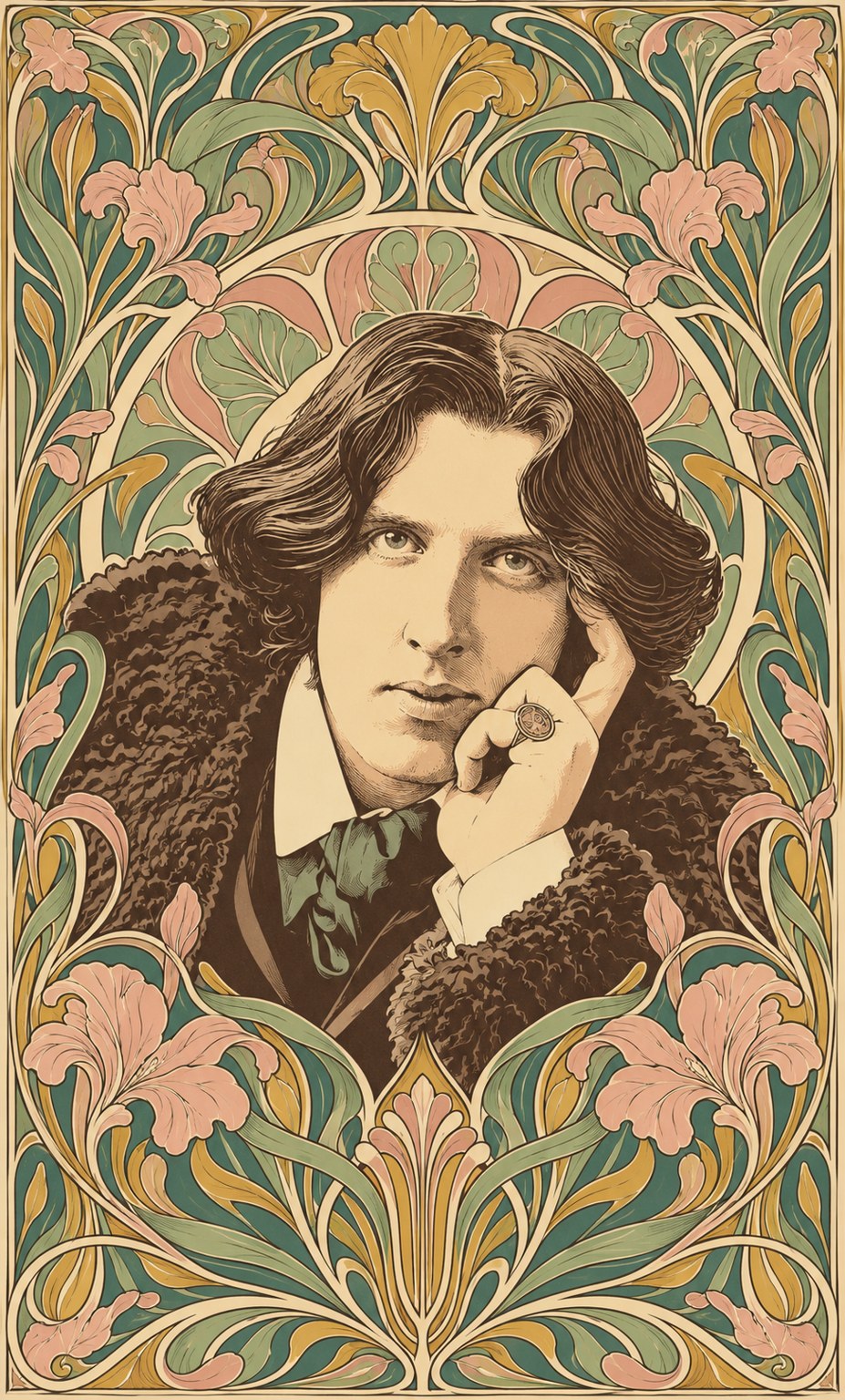
Genuine
Yes. In Lady Windermere’s Fan (1892), Act III, said by Lord Darlington. These are the character’s words, not a statement in Wilde’s own voice.
Found word for word by program in the full text.
The wording people share differs slightly from the text; the words in the text are underlined below.
- Work
- Lady Windermere’s Fan, 1892
- Where
- Act III
- Found at
- Paragraph 625 of the text
Researched by AI; checked by program against the full text on 31 October 2026. Editorial review: pending. How we check
On the page
DUMBY. No, time to forget all I have learned. That is much more important, dear Tuppy. [LORD AUGUSTUS moves uneasily in his chair.]
LORD DARLINGTON. What cynics you fellows are!
CECIL GRAHAM. What is a cynic? [Sitting on the back of the sofa.]
LORD DARLINGTON. A man who knows the price of everything and the value of nothing.1
CECIL GRAHAM. And a sentimentalist, my dear Darlington, is a man who sees an absurd value in everything, and doesn’t know the market price of any single thing.
LORD DARLINGTON. You always amuse me, Cecil. You talk as if you were a man of experience.
CECIL GRAHAM. I am. [Moves up to front off fireplace.]
The scene
The same late-night scene in Lord Darlington’s rooms, with Lady Windermere and Mrs Erlynne hidden. Dumby and Cecil Graham have been joking about love and the tragedy of getting what one wants; Darlington, in love and in earnest, calls them cynics, and Cecil asks what a cynic is. Cecil caps the definition at once with his own of the sentimentalist, and the talk moves on to experience.
What it means
A cynic judges everything by what it costs and nothing by what it is worth: he sees through things so thoroughly that he no longer sees what matters in them.
Often misread
Quoted alone, it reads as Wilde’s settled verdict on cynics, or on markets and economists. In the play it is half of a duel: Cecil Graham’s answer, that a sentimentalist sees an absurd value in everything and knows the price of nothing, turns it round, and the scene leaves both men a point.
Also shared as
- ShortenedNowadays people know the price of everything and the value of nothing. Wilde’s earlier form, said by Lord Henry in The Picture of Dorian Gray (1891), chapter 4, after haggling over old brocade in Wardour Street; often cited instead of the play.
- ShortenedA cynic knows the price of everything and the value of nothing. The usual quote-collection form, the speaker’s question and Cecil Graham’s answer dropped.
Related quotes
- We are all in the gutter, but some of us are looking at the stars.
- Experience is simply the name we give our mistakes.
- A bank is a place where they lend you an umbrella in fair weather and ask for it back again when it begins to rain. (not found) Robert Frost
- Imitation is the sincerest form of flattery that mediocrity can pay to greatness. (not found)
- Better be unhappy and know the truth, than be happy and live . . . like a fool. Fyodor Dostoevsky
Sources
Cite it
Oscar Wilde, Lady Windermere’s Fan (1892), Act III. Spoken by Lord Darlington. Checked at Quotogeny, https://quotogeny.com/q/price-of-everything-value-of-nothing/ (31 October 2026).
Have a different wording, or a source we missed? Check it or submit it.
Do you hold the rights to anything on this page? Tell us.
Checked by people
People who checked this entry against its source, under their own names. Their checks do not change the verdict: an editor reviews every entry.
Comments