We are today in the midst of a cold war.
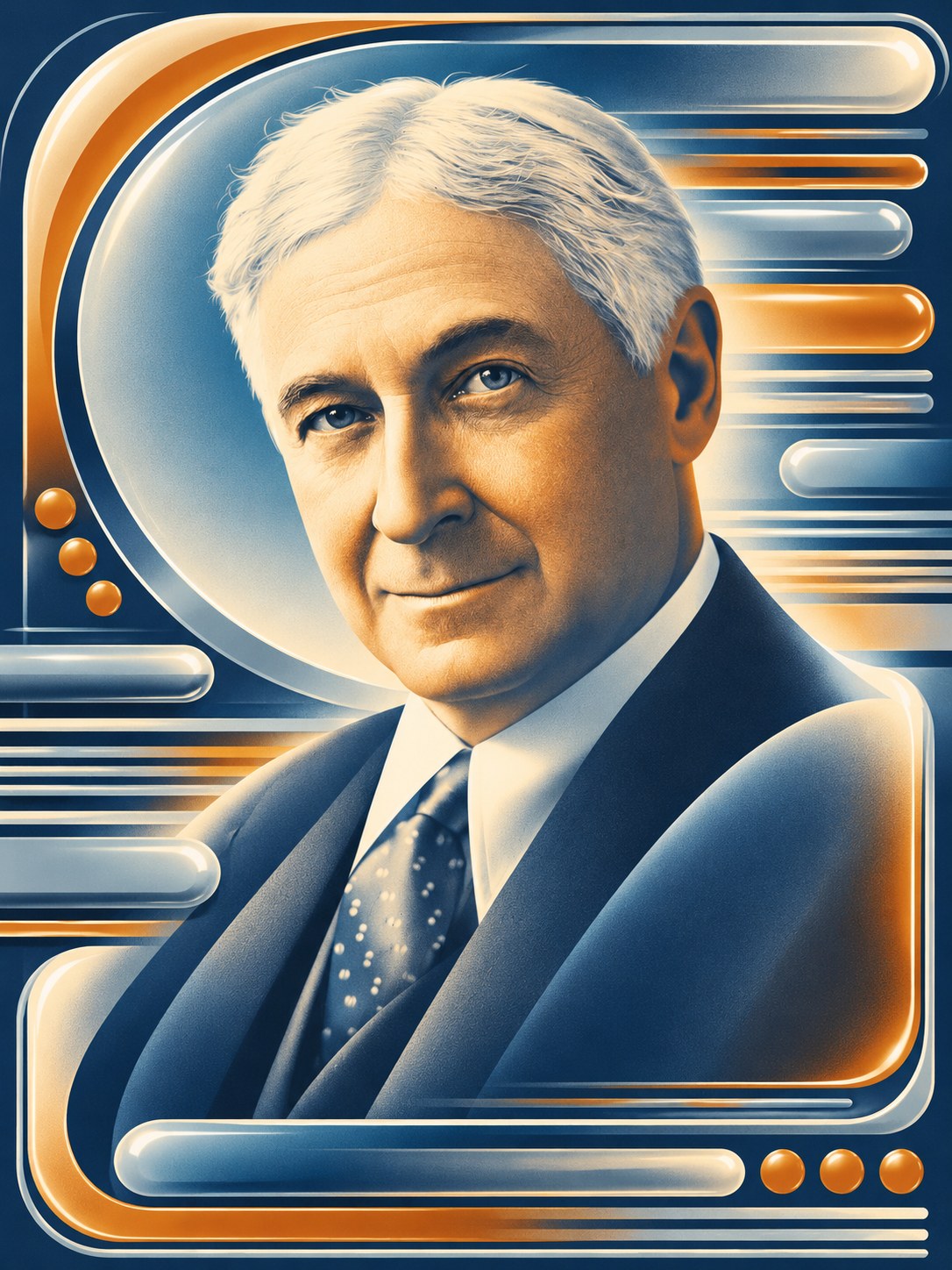
Genuine
Yes. In Bernard Baruch, speech to the South Carolina House of Representatives, Columbia, 16 April 1947; Journal of the House of Representatives of the First Session of the 87th General Assembly of the State of South Carolina, 1947, p. 1085, p. 1085.
Checked against Bernard Baruch, speech to the South Carolina House of Representatives, Columbia, 16 April 1947; Journal of the House of Representatives of the First Session of the 87th General Assembly of the State of South Carolina, 1947, p. 1085, p. 1085, on another researcher’s citation, not seen first-hand.
- Where
- Speech to the South Carolina House of Representatives, Columbia, 16 April 1947
- Source
- Bernard Baruch, speech to the South Carolina House of Representatives, Columbia, 16 April 1947; Journal of the House of Representatives of the First Session of the 87th General Assembly of the State of South Carolina, 1947, p. 1085, p. 1085
- Checked
- On another researcher’s citation, not seen first-hand
Researched by AI. Entry updated 30 October 2026. Editorial review: pending. How we check
About this quote
How it travelled
- 16 April 1947Earliest found · credited to Bernard BaruchBaruch uses “cold war” of US–Soviet relations in the South Carolina House, the usage that carried the phrase into general use.
Let us not be deceived—we are today in the midst of a cold war.
Journal of the House of Representatives of the First Session of the 87th General Assembly of the State of South Carolina, 1947, p. 1085, p. 1085. Checked on another researcher’s citation, not seen first-hand. Source
The scene
Baruch, home in South Carolina to have his portrait unveiled in the House, turned from foreign policy to American industrial unrest. He asked for unity between labour and management, and for longer working weeks and no-strike and no-layoff pledges. The sentence about a cold war opens his warning that disunity at home serves the nation’s enemies.
What it means
The struggle with the Soviet Union is already being fought, without shooting, and domestic division helps the other side.
Often misread
Baruch did not invent the term: George Orwell used “cold war” in 1945, and Baruch said the phrase was suggested to him by the editor Herbert Bayard Swope. The speech helped popularise it as the name of the US–Soviet rivalry.
Use with care
Often said to have “coined” the term; he popularised it. Orwell’s 1945 essay used it earlier. The wording rests on secondary sources (HISTORY.com, Wikiquote’s citation of the House Journal); the speech’s own text was not seen.
Topics
Related quotes
- It consists in preventing the world from falling apart. Albert Camus
- Peace is never long preserved by weight of metal or by an armament race.
- This crippling of individuals I consider the worst evil of capitalism. Albert Einstein
- We are now facing a problem more of ethics than of physics.
- We must elect World Peace or World Destruction.
Sources
Cite it
Bernard Baruch, Bernard Baruch, speech to the South Carolina House of Representatives, Columbia, 16 April 1947; Journal of the House of Representatives of the First Session of the 87th General Assembly of the State of South Carolina, 1947, p. 1085, p. 1085. Checked at Quotogeny, https://quotogeny.com/q/we-are-today-in-the-midst-of-a-cold-war/ (30 October 2026).
Have a different wording, or a source we missed? Check it or submit it.
Do you hold the rights to anything on this page? Tell us.
Checked by people
People who checked this entry against its source, under their own names. Their checks do not change the verdict: an editor reviews every entry.
Comments