That which is not good for the swarm, neither is it good for the bee.
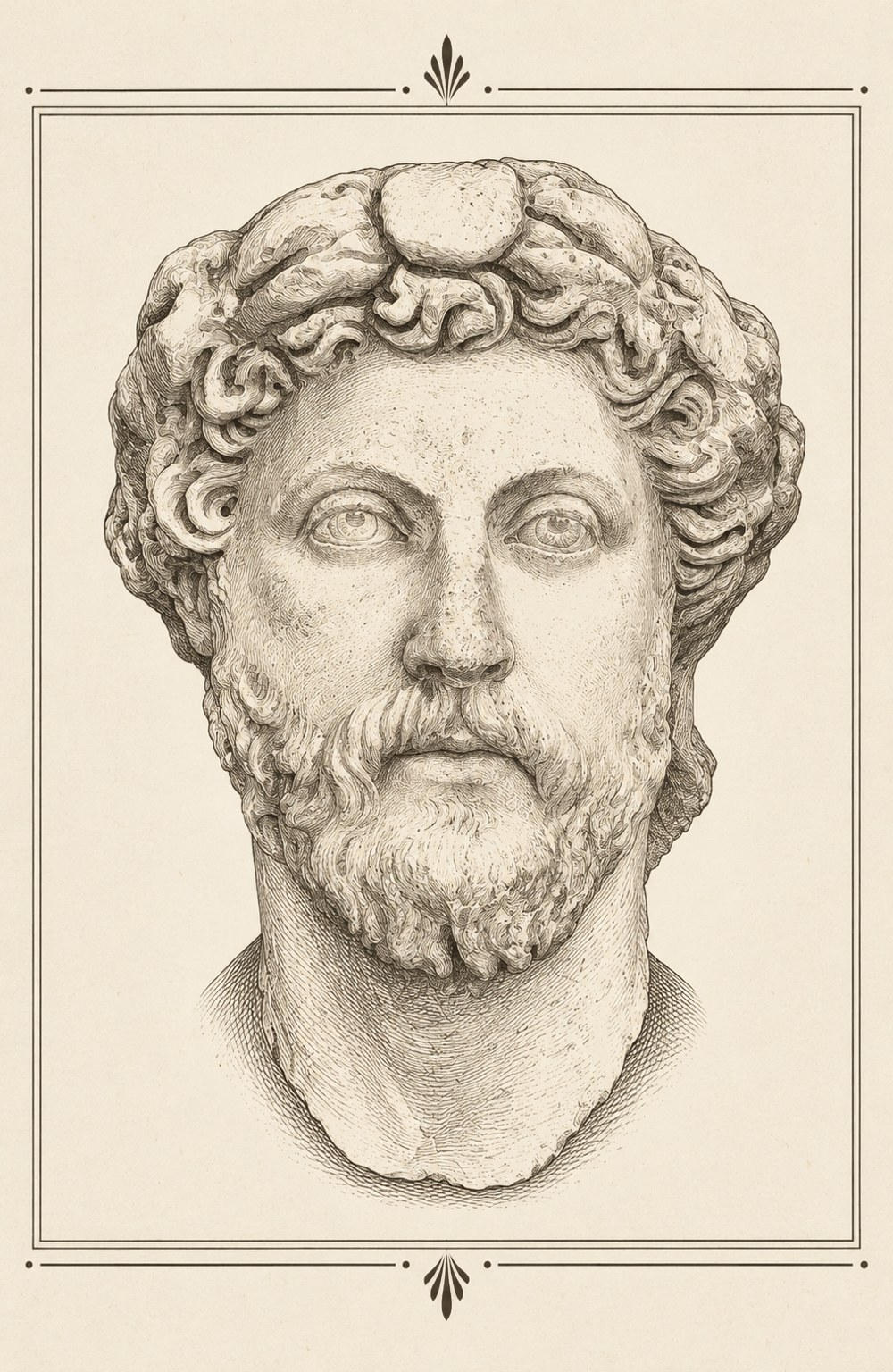
Paraphrase
Not in these words. The idea is in Meditations (180), Book 6, section 54.
The real passage, shown below, is found word for word by program in the Greek original and in George Long’s English translation (1862).
- Work
- Meditations (Τὰ εἰς ἑαυτόν), 180
- The real passage
- Book 6, section 54
Researched by AI; closest passage located by program on 31 October 2026. Entry updated 31 October 2026. Editorial review: pending. How we check
The real passage
Accustom thyself to attend carefully to what is said by another, and as much as it is possible, be in the speaker’s mind.
Ἔθισον σεαυτὸν πρὸς τῷ ὑφ’ ἑτέρου λεγομένῳ γίνεσθαι ἀπαρενθυμήτως καὶ ὡς οἷόν τε ἐν τῇ ψυχῇ τοῦ λέγοντος γίνου.
That which is not good for the swarm, neither is it good for the bee.1
Τὸ τῷ σμήνει μὴ συμφέρον οὐδὲ τῇ μελίσσῃ συμφέρει.
If sailors abused the helmsman or the sick the doctor, would they listen to anybody else; or how could the helmsman secure the safety of those in the ship or the doctor the health of those whom he attends?
Εἰ κυβερνῶντα οἱ ναῦται ἢ ἰατρεύοντα οἱ κάμνοντες κακῶς ἔλεγον, ἄλλῳ τινὶ ἂν προσεῖχον ἢ πῶς αὐτὸς ἐνεργοίην τὸ τοῖς ἐμπλέουσι σωτήριον ἢ τὸ τοῖς θεραπευομένοις ὑγιεινόν;
How many together with whom I came into the world are already gone out of it.
Πόσοι, μεθ’ ὧν εἰσῆλθον εἰς τὸν κόσμον, ἤδη ἀπεληλύθασιν.
How the shared form came about
The form usually shared is a modern rendering of 6.54, which Wikiquote lists with no translator named, so it isn’t printed here. The wording above is Long’s.
In context
A one-sentence entry among Book 6’s notes on the common good and on being a part of a whole. The entry just before it is about attending to what another person says; the one after it asks what sailors and the sick would do if they abused their helmsman or doctor.
What it says
A member of a community cannot be well while the community is harmed: individual good and common good are not separate.
Often misread
Sometimes quoted as a motto of collective loyalty or conformity. For Marcus it is the Stoic claim that rational beings are made for one another, which binds him to act for others, not to submit to a group.
Topics
Related quotes
- No longer talk at all about the kind of man that a good man ought to be, but be such.
- We are not born for ourselves alone. Marcus Tullius Cicero
- An ounce of loyalty is worth a pound of cleverness. Elbert Hubbard
- The art of living is more like wrestling than dancing. (paraphrase)
- If it is not right, do not do it: if it is not true, do not say it.
Sources
- standardebooks.org/ebooks/marcus-aurelius/meditations/george-long/text/single-page (George Long translation, first published 1862; corpus meditations.en.txt, line 207)
- cdn.jsdelivr.net/gh/PerseusDL/canonical-greekLit@70427323b61267cdcd0256b9b02009c23392de07/data/tlg0562/tlg001/tlg0562.tlg001.perseus-grc2.xml (Greek text; corpus meditations.el.txt, line 268)
- en.wikiquote.org/wiki/Marcus_Aurelius
Cite it
“That which is not good for the swarm, neither is it good for the bee.” Attributed to Marcus Aurelius. Not in these words. The idea is in Meditations (180), Book 6, section 54. Quotogeny, https://quotogeny.com/q/what-is-not-good-for-the-swarm-is-not-good-for-the-bee/ (checked 31 October 2026).
Have a different wording, or a source we missed? Check it or submit it.
Do you hold the rights to anything on this page? Tell us.
Checked by people
People who checked this entry against its source, under their own names. Their checks do not change the verdict: an editor reviews every entry.
Comments