Even in toothache there is enjoyment.
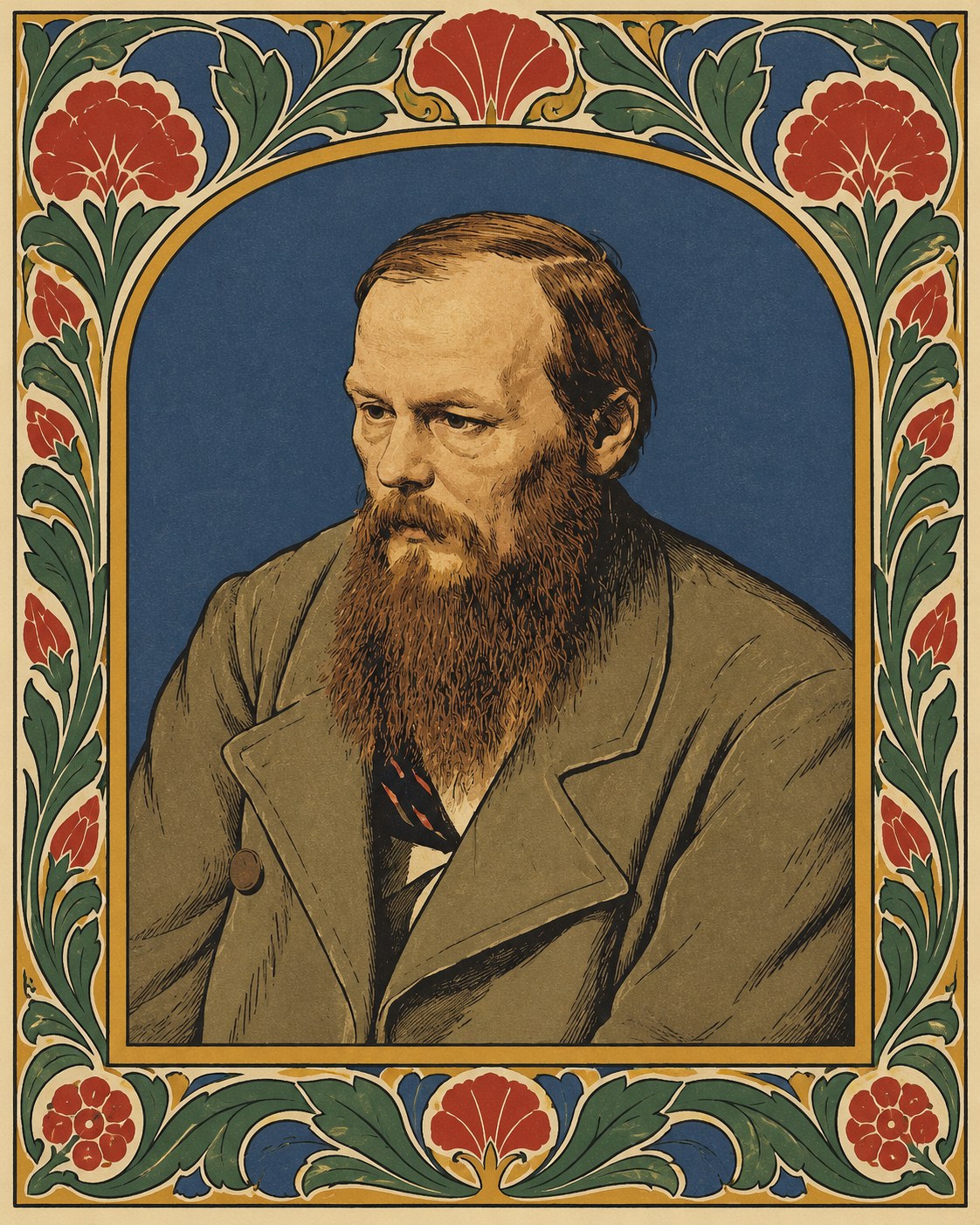
Genuine
Yes. In Notes from Underground (1864), Part 1 (“Underground”), chapter 4, said by the Underground Man. These are the character’s words, not a statement in Dostoevsky’s own voice.
Found word for word by program in the Russian original and in Constance Garnett’s English translation (1918).
- Work
- Notes from Underground (Записки из подполья), 1864
- Where
- Part 1 (“Underground”), chapter 4
- Found at
- Paragraph 29 of the Russian text, 36 of the English
- Translation
- Constance Garnett, 1918
Researched by AI; checked by program against the full text on 31 October 2026. Editorial review: pending. How we check
On the page
“Ha, ha, ha! You will be finding enjoyment in toothache next,” you cry, with a laugh.
- Ха-ха-ха! да вы после этого и в зубной боли отыщете наслаждение ! - вскрикнете вы со смехом.
“Well, even in toothache there is enjoyment,” I answer.1 I had toothache for a whole month and I know there is. In that case, of course, people are not spiteful in silence, but moan; but they are not candid moans, they are malignant moans, and the malignancy is the whole point. The enjoyment of the sufferer finds expression in those moans; if he did not feel enjoyment in them he would not moan. It is a good example, gentlemen, and I will develop it. […]
- А что ж? и в зубной боли есть наслаждение, - отвечу я. - У меня целый месяц болели зубы; я знаю, что есть. Тут, конечно, не молча злятся, а стонут; но это стоны не откровенные, это стоны с ехидством, а в ехидстве-то и вся штука. В этих-то стонах и выражается наслаждение страдающего; не ощущал бы он в них наслаждения - он бы и стонать не стал. Это хороший пример, господа, и я его разовью. В этих стонах выражается, во-первых, вся для нашего сознания унизительная бесцельность вашей боли; вся законность природы, на которую вам, разумеется, наплевать, но от которой вы все-таки страдаете, а она-то нет. […]
The scene
The narrator has been confessing the ‘enjoyment’ he finds in his own humiliation and in beating his head against the ‘stone wall’ of the laws of nature. He imagines his readers laughing that he will find enjoyment in toothache next, and takes them at their word. The moans of an educated man with toothache, he says, are not candid but malignant: they express the humiliating pointlessness of a pain with no enemy to punish, and the sufferer goes on moaning to keep his whole household awake, savouring their loathing and his own disgrace.
What it means
A man who is conscious of his powerlessness turns even his pain into a spiteful pleasure: he moans not for relief but to make others suffer with him and to relish his own degradation.
Often misread
Shared on its own as a quirky paradox about finding joy in pain, or as a motto of resilience. The chapter is about something uglier: ‘malignant moans’, a performance of suffering that torments the people around the sufferer, and a pleasure that comes from disgrace. The narrator ends by saying he does not respect himself.
Topics
Related quotes
- To be too conscious is an illness — a real thorough-going illness.
- Man is sometimes extraordinarily, passionately, in love with suffering. … Suffering is the sole origin of consciousness.
- I am a sick man.... I am a spiteful man. I am an unattractive man.
- The more I love humanity in general, the less I love man in particular.
- “We have discovered happiness,” say the last men, and blink. Friedrich Nietzsche
Sources
- jettfranzen.substack.com/p/recreational-misery (the self-improvement creator Jett Franzen (@jettfranzen), ‘Recreational Misery’, Substack, 16 August 2026: quotes Garnett’s wording correctly, as the Underground Man’s, as an example of seeking out misery)
Cite it
Fyodor Dostoevsky, Notes from Underground (1864), Part 1 (“Underground”), chapter 4, translated by Constance Garnett (1918). Spoken by the Underground Man. Checked at Quotogeny, https://quotogeny.com/q/even-in-toothache-there-is-enjoyment/ (31 October 2026).
Have a different wording, or a source we missed? Check it or submit it.
Do you hold the rights to anything on this page? Tell us.
Checked by people
People who checked this entry against its source, under their own names. Their checks do not change the verdict: an editor reviews every entry.
Comments