Freedom cannot be bestowed — it must be achieved.
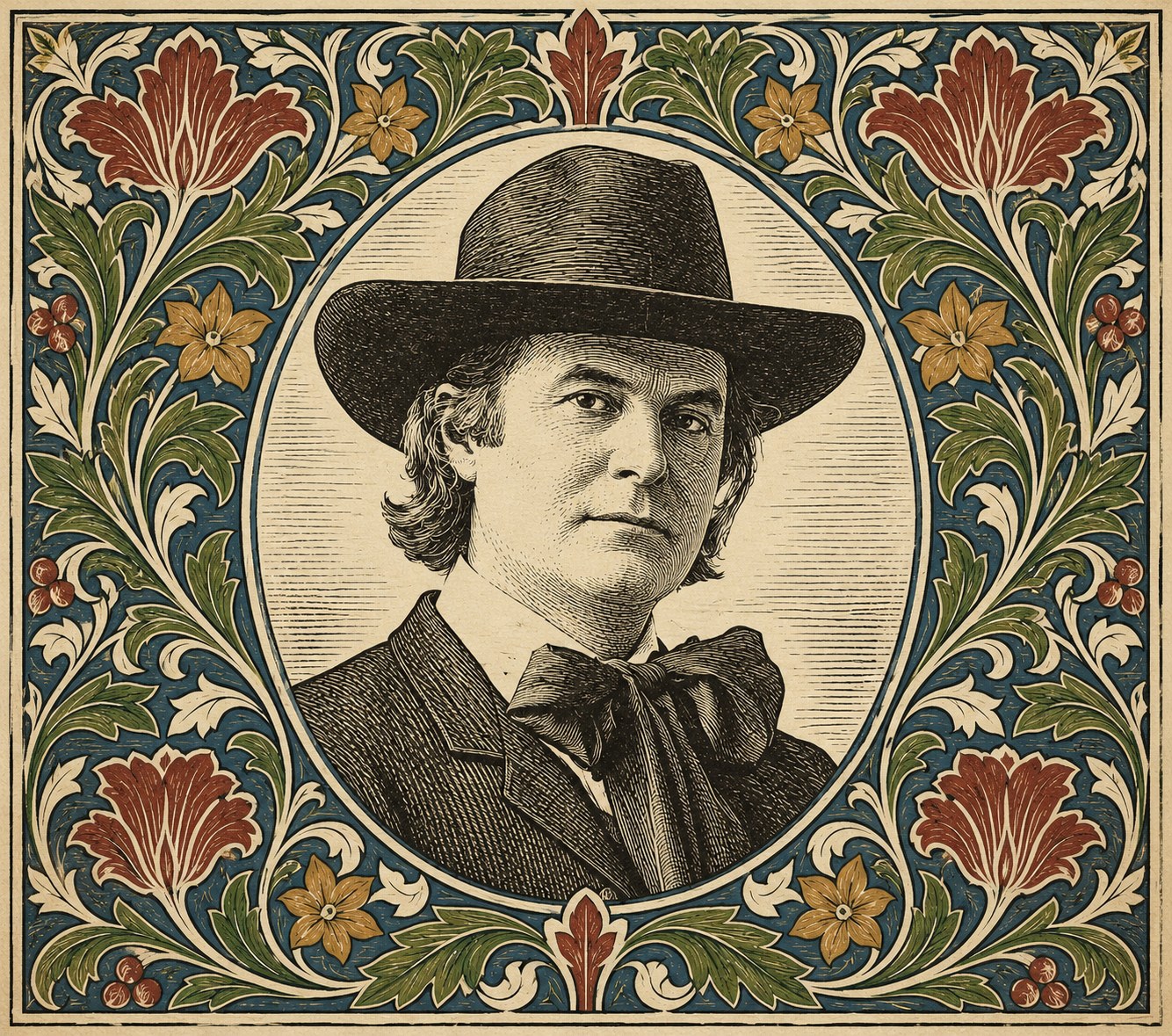
Genuine
Yes. In Little Journeys to the Homes of the Great (1894), To the Homes of Great Teachers, ‘Booker T. Washington’ (Memorial Edition, 1916), p. 207.
Found word for word by program in the full text.
Checked against Elbert Hubbard, Little Journeys to the Homes of Great Teachers, Memorial Edition (The Roycrofters / Wm. H. Wise & Co., 1916), ‘Booker T. Washington’, p. 207, in a full-text transcription.
The wording people share differs slightly from the text; the words in the text are underlined below.
- Work
- Little Journeys to the Homes of the Great (Little Journeys to the Homes of Good Men and Great), 1894
- Where
- To the Homes of Great Teachers, ‘Booker T. Washington’ (Memorial Edition, 1916), p. 207
- Found at
- Paragraph 812 of the text
- Source
- Elbert Hubbard, Little Journeys to the Homes of Great Teachers, Memorial Edition (The Roycrofters / Wm. H. Wise & Co., 1916), ‘Booker T. Washington’, p. 207
- Checked
- In a full-text transcription
Researched by AI; checked by program against the full text on 31 October 2026. Editorial review: pending. How we check
On the page
[…] Coffee, cocaine, bromide, tobacco and strong drink often serve in lieu of exercise and ozone, and Princeton winks her woozy eye in innocency.
Freedom can not be bestowed—it must be achieved. Education can not be given—it must be earned. Lincoln did not free the slaves—he only freed himself. The Negroes did not know they were slaves, and so they had no idea of what freedom meant. […]
If college education were made compulsory by the State, and one-half of the curriculum consisted of actual, useful manual labor, most of our social ills would be solved, and we would be well out on the highway towards the Ideal City.
Without animation, man is naught—nothing is accomplished, nothing done. People who inspire other people have animation plus.
The scene
Hubbard is praising Booker T. Washington’s Tuskegee school and its combination of study with manual work. He argues that legal rights alone cannot secure respect and that useful activity and responsibility create genuine freedom. The same paragraph makes the historically false assertion that enslaved Black people did not know they were slaves.
What it means
Hubbard distinguishes freedom conferred by law from the practical independence he thinks people must acquire through work and responsibility.
Often misread
This is often detached as an unrestricted maxim about liberty. Here it belongs to Hubbard’s paternalistic argument about Black education and emancipation, not to a neutral account of how slavery ended.
Use with care
The surrounding paragraph minimizes emancipation and the agency of enslaved people, including the false assertion that they did not know they were slaves. The excerpt should not be used as historical evidence about slavery or as proof that civil rights need not be secured by law.
Topics
Related quotes
- An ounce of loyalty is worth a pound of cleverness.
- Every man has a right to his opinion, but no man has a right to be wrong in his facts. Bernard Baruch
- Injustice anywhere is a threat to justice everywhere. Martin Luther King Jr.
- Judge the Russian people not by the abominations they so often commit, but by the great and holy things for which, even in their abomination, they constantly yearn. Fyodor Dostoevsky
- Plato is dear to me, but dearer still is truth. (paraphrase) Aristotle
Sources
Cite it
Elbert Hubbard, Little Journeys to the Homes of the Great (1894), To the Homes of Great Teachers, ‘Booker T. Washington’ (Memorial Edition, 1916), p. 207. Checked at Quotogeny, https://quotogeny.com/q/freedom-cannot-be-bestowed-it-must-be-achieved/ (31 October 2026).
Have a different wording, or a source we missed? Check it or submit it.
Do you hold the rights to anything on this page? Tell us.
Checked by people
People who checked this entry against its source, under their own names. Their checks do not change the verdict: an editor reviews every entry.
Comments