Melancholy is only fervour that has subsided.
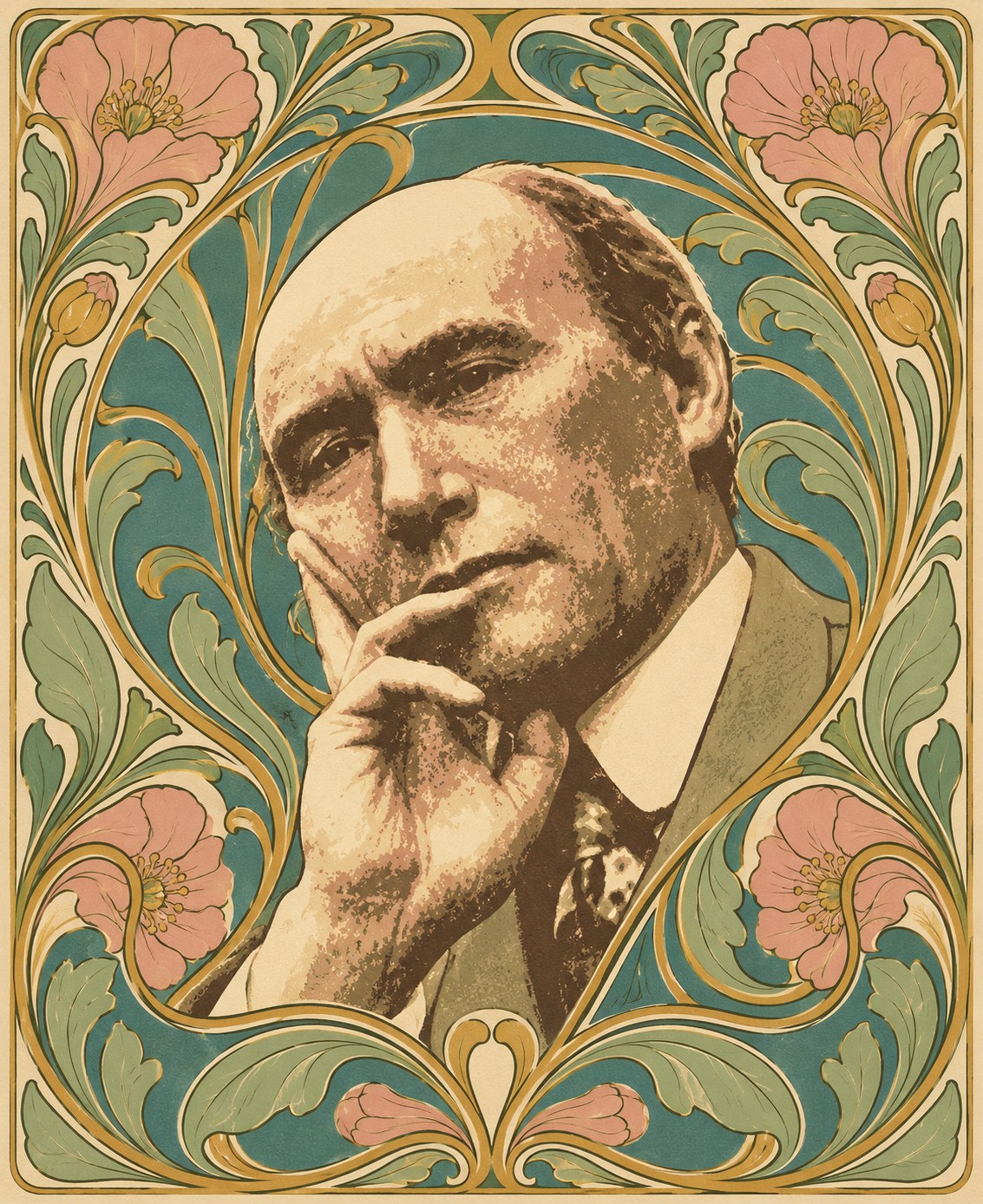
Genuine
Yes. In Fruits of the Earth (1897), Livre I, section I, said by the lyrical narrator. These are the character’s words, not a statement in Gide’s own voice.
Found word for word by program in the French original.
The English is our own translation, not yet reviewed: there is no public-domain translation of this text in our sources.
Checked against André Gide, Les Nourritures terrestres, deuxième édition (Paris: Société du Mercure de France, 1897), French text transcribed on Wikisource, Livre I, section I, in a full-text transcription.
- Work
- Fruits of the Earth (Les Nourritures terrestres), 1897
- Where
- Livre I, section I
- Found at
- Paragraph 41 of the French text
- Translation
- Our own, not yet reviewed (no public-domain translation in our sources)
- Source
- André Gide, Les Nourritures terrestres, deuxième édition (Paris: Société du Mercure de France, 1897), French text transcribed on Wikisource, Livre I, section I
- Checked
- In a full-text transcription
Researched by AI; checked by program against the full text on 31 October 2026. Editorial review: pending. How we check
On the page
[…] Je voudrais écrire tel livre d’où toute pensée, toute émotion personnelle te semblât absente, où tu croirais ne voir que la projection de ta propre ferveur. Je voudrais m’approcher de toi, et que tu m’aimes.
La mélancolie n’est que de la ferveur retombée.1
Tout être est capable de nudité ; toute émotion, de plénitude.
Mes émotions se sont ouvertes comme une religion. Peux-tu comprendre cela : toute sensation est d’une présence infinie.
Melancholy is only fervour that has subsided.
The scene
The narrator imagines Nathanaël at night opening and shutting books, seeking an answer, his fervour turning to sadness because nothing sustains it. He offers the book as companionship for just such an hour. The aphorism leads into assertions about the fullness of emotion and the promise to teach fervour.
What it means
Here sadness is the aftermath of an ardour that has lost its sustaining force, rather than the opposite of having ever felt strongly.
Often misread
This is a poetic account of one emotional transition in an address to a reader, not a medical explanation of depression or a claim that all suffering can be cured by enthusiasm.
Topics
Related quotes
- Money is coined liberty, and so it is ten times dearer to the man who is deprived of freedom. Fyodor Dostoevsky
- The price of loving someone very much is never loving anyone again. (not found) Fyodor Dostoevsky
- Man is a creature that can get used to anything, and I think that is the best definition of him. Fyodor Dostoevsky
- The price of anything is the amount of life you exchange for it. (paraphrase) Henry David Thoreau
- There is a loneliness in this world so great that you can see it in the slow movement of the hands of a clock. Charles Bukowski
Sources
Cite it
André Gide, Fruits of the Earth (1897), Livre I, section I, our own translation. Spoken by the lyrical narrator. Checked at Quotogeny, https://quotogeny.com/q/melancholy-is-only-fervour-that-has-subsided/ (31 October 2026).
Have a different wording, or a source we missed? Check it or submit it.
Do you hold the rights to anything on this page? Tell us.
Checked by people
People who checked this entry against its source, under their own names. Their checks do not change the verdict: an editor reviews every entry.
Comments