No scientific statement is final: it is a likely formulation of observation and analysis.
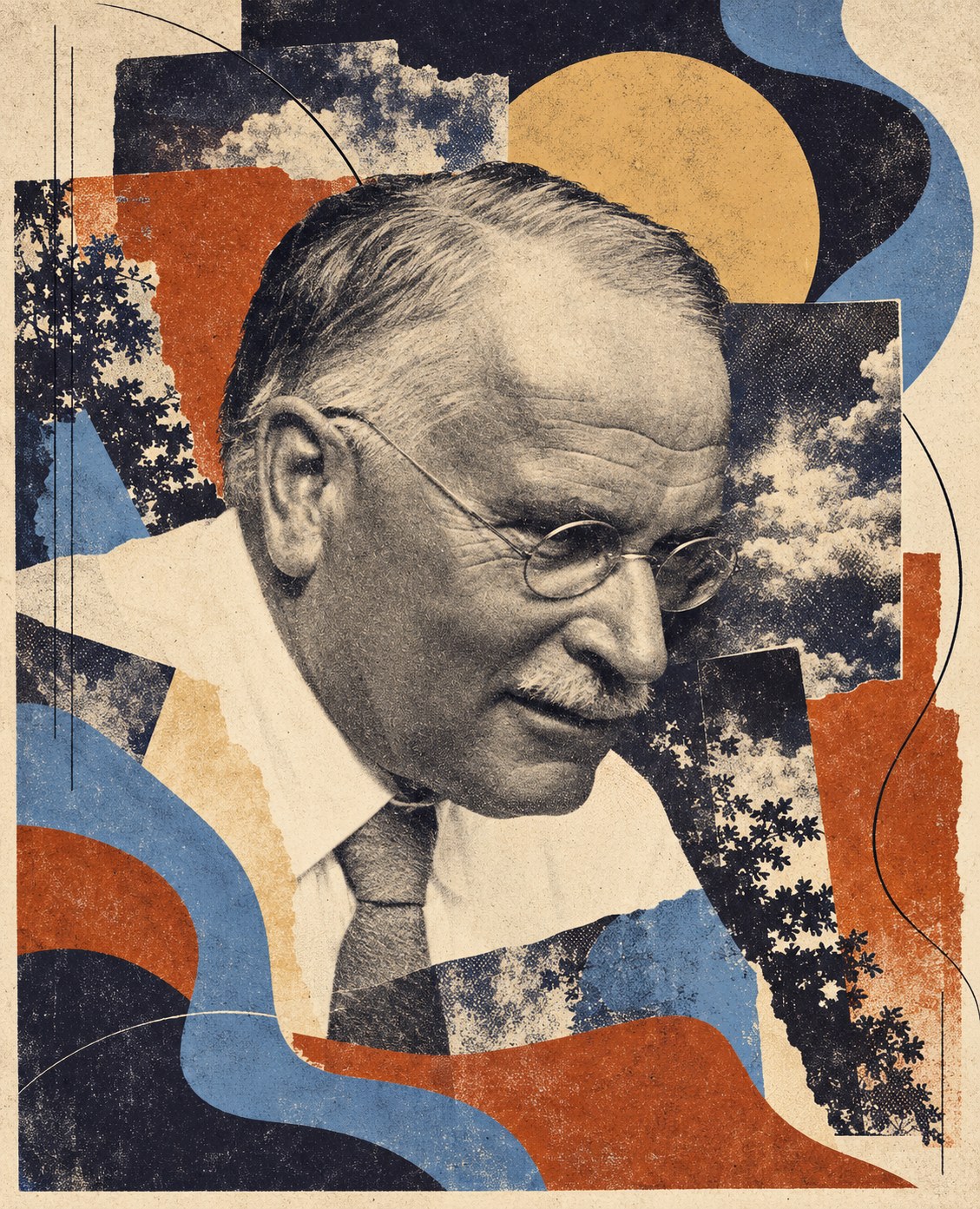
Genuine
Yes. In a letter to Valentine Brooke, 16 November 1959, Letters vol. 2, p. 522.
Checked against C. G. Jung, letter to Valentine Brooke, 16 November 1959, in Letters, vol. 2: 1951–1961, selected and edited by Gerhard Adler in collaboration with Aniela Jaffé, translations from the German by R. F. C. Hull (British edition: Routledge & Kegan Paul, 1976; Routledge reprint 1990, transferred to digital printing 2011), pp. 520–523, p. 522, in the text of a page scan, not the image.
- Work
- Letters (Briefe)
- Where
- Letter to Valentine Brooke, 16 November 1959, Letters vol. 2, p. 522
- Translation
- None in our sources
- Source
- C. G. Jung, letter to Valentine Brooke, 16 November 1959, in Letters, vol. 2: 1951–1961, selected and edited by Gerhard Adler in collaboration with Aniela Jaffé, translations from the German by R. F. C. Hull (British edition: Routledge & Kegan Paul, 1976; Routledge reprint 1990, transferred to digital printing 2011), pp. 520–523, p. 522
- Checked
- In the text of a page scan, not the image
Researched by AI. Entry updated 22 October 2026. Editorial review: pending. How we check
About this quote
The scene
Brooke has asked Jung to explain his much-discussed BBC reply about knowing rather than believing in God. Jung describes a God-image as an emotionally powerful psychic image, then warns that this psychological formulation is not a final statement. He distinguishes a scientific account of what is in the mind from a claim to define what God is outside it.
What it means
A scientific statement is a provisional interpretation of observations, not an irrevocable conclusion. Its usefulness does not entitle it to settle questions beyond the evidence and method that produced it.
Often misread
This does not say that evidence is worthless or that every opinion is equally defensible. Jung is delimiting what his psychological observations can establish, particularly about religion.
Topics
Related quotes
- I don’t need to believe, I know.
- All economic movements, by their very nature, are motivated by crowd psychology. Bernard Baruch
- It would be impossible to banish fear on matters of the highest importance, if a man did not know the nature of the whole universe, but lived in dread of what the legends tell us. Hence without the study of nature there was no enjoyment of unmixed pleasures. Epicurus
- To love at all is to be vulnerable. C. S. Lewis
- Courage is the most important of all the virtues, because without courage you can’t practice any other virtues consistently. Maya Angelou
Sources
Cite it
Carl Gustav Jung, Letters (1959), Letter to Valentine Brooke, 16 November 1959, Letters vol. 2, p. 522. Checked at Quotogeny, https://quotogeny.com/q/no-scientific-statement-is-final/ (22 October 2026).
Have a different wording, or a source we missed? Check it or submit it.
Do you hold the rights to anything on this page? Tell us.
Checked by people
People who checked this entry against its source, under their own names. Their checks do not change the verdict: an editor reviews every entry.
Comments