I don’t need to believe, I know.
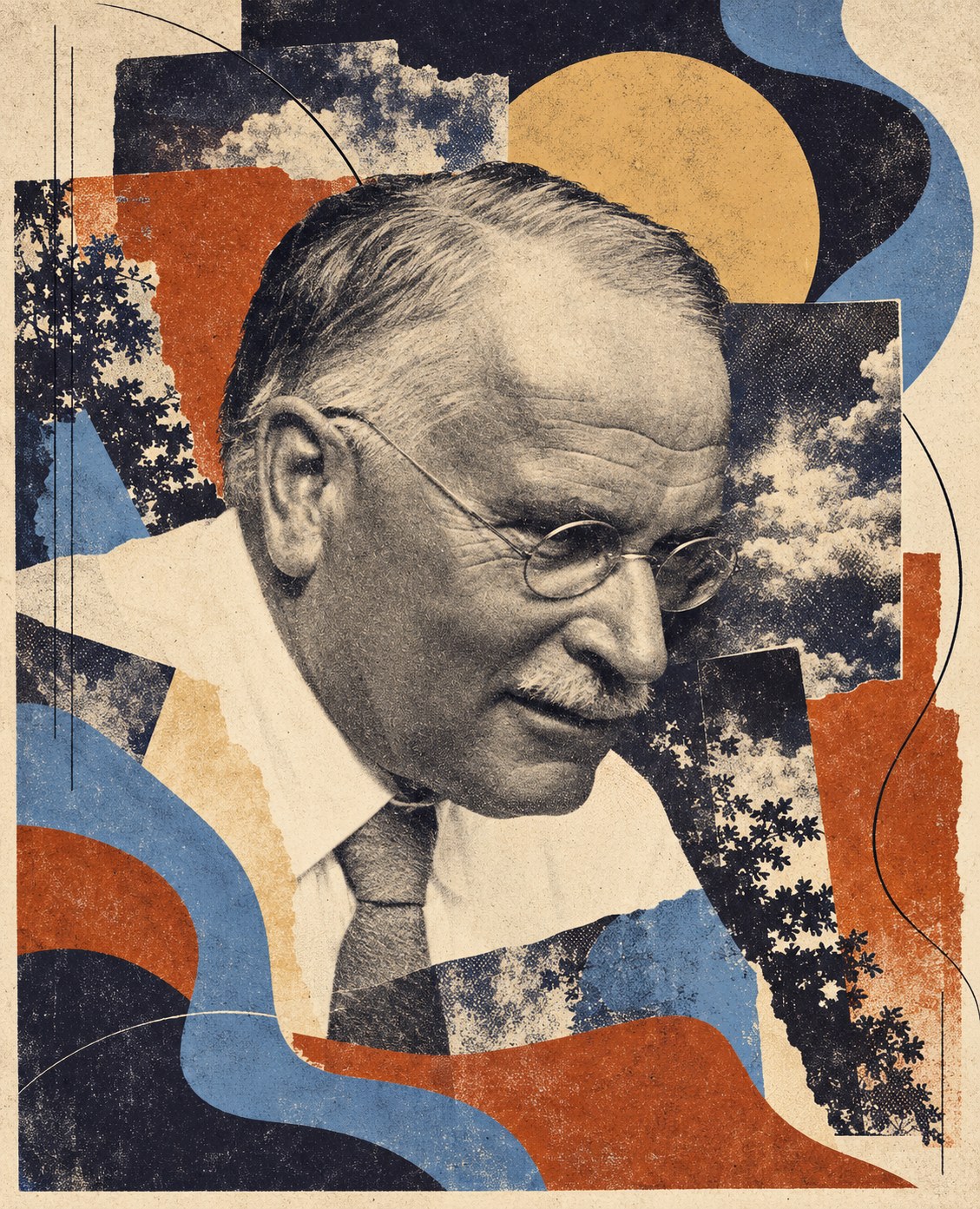
Genuine
Yes. In Letters (1959), BBC Face to Face interview with John Freeman, broadcast 22 October 1959; quoted in note 1 to the letter to Valentine Brooke, 16 November 1959, Letters vol. 2, pp. 520–521.
Checked against C. G. Jung, Letters, vol. 2: 1951–1961, selected and edited by Gerhard Adler in collaboration with Aniela Jaffé, translations from the German by R. F. C. Hull (British edition: Routledge & Kegan Paul, 1976; Routledge reprint 1990, transferred to digital printing 2011), note 1 to the letter to Valentine Brooke, 16 November 1959, pp. 520–523; quotation in note 1, p. 521, in the text of a page scan, not the image.
- Work
- Letters (Briefe)
- Where
- BBC Face to Face interview with John Freeman, broadcast 22 October 1959; quoted in note 1 to the letter to Valentine Brooke, 16 November 1959, Letters vol. 2, pp. 520–521
- Translation
- None in our sources
- Source
- C. G. Jung, Letters, vol. 2: 1951–1961, selected and edited by Gerhard Adler in collaboration with Aniela Jaffé, translations from the German by R. F. C. Hull (British edition: Routledge & Kegan Paul, 1976; Routledge reprint 1990, transferred to digital printing 2011), note 1 to the letter to Valentine Brooke, 16 November 1959, pp. 520–523; quotation in note 1, p. 521
- Checked
- In the text of a page scan, not the image
Researched by AI. Entry updated 22 October 2026. Editorial review: pending. How we check
About this quote
The scene
In the BBC interview, Freeman asks Jung whether he believes in God. The editors of Jung’s Letters reproduce this reply and explain that its reception prompted Valentine Brooke to ask what he meant. In his reply to Brooke, Jung distinguishes knowledge of experiences and God-images from an intellectual claim to know what God is in himself.
What it means
Jung presents the experience he calls God as something he knows firsthand rather than accepts solely on belief. His subsequent letter limits the claim to the experience and its psychic image, not a scientific definition of God’s nature.
Often misread
Often detached from Jung’s explanation and treated as either proof of a particular religious doctrine or a claim that God is merely imaginary. The letter makes neither claim: a mental image does not by itself establish or disprove the external reality it represents. The atlas’s work link is to Letters because that is the checked printed witness; the original occasion is the interview, not a sentence addressed to Brooke.
Topics
Related quotes
- No scientific statement is final: it is a likely formulation of observation and analysis.
- Called or uncalled, God will be present. (misattributed)
- I went to the woods because I wished to live deliberately, to front only the essential facts of life, and see if I could not learn what it had to teach, and not, when I came to die, discover that I had not lived. Henry David Thoreau
- The universe is change; our life is what our thoughts make it. (paraphrase) Marcus Aurelius
- That is why true artists despise nothing: they require themselves to understand rather than judge. Albert Camus
Sources
Cite it
Carl Gustav Jung, Letters (1959), BBC Face to Face interview with John Freeman, broadcast 22 October 1959; quoted in note 1 to the letter to Valentine Brooke, 16 November 1959, Letters vol. 2, pp. 520–521. Checked at Quotogeny, https://quotogeny.com/q/i-dont-need-to-believe-i-know/ (22 October 2026).
Have a different wording, or a source we missed? Check it or submit it.
Do you hold the rights to anything on this page? Tell us.
Checked by people
People who checked this entry against its source, under their own names. Their checks do not change the verdict: an editor reviews every entry.
Comments